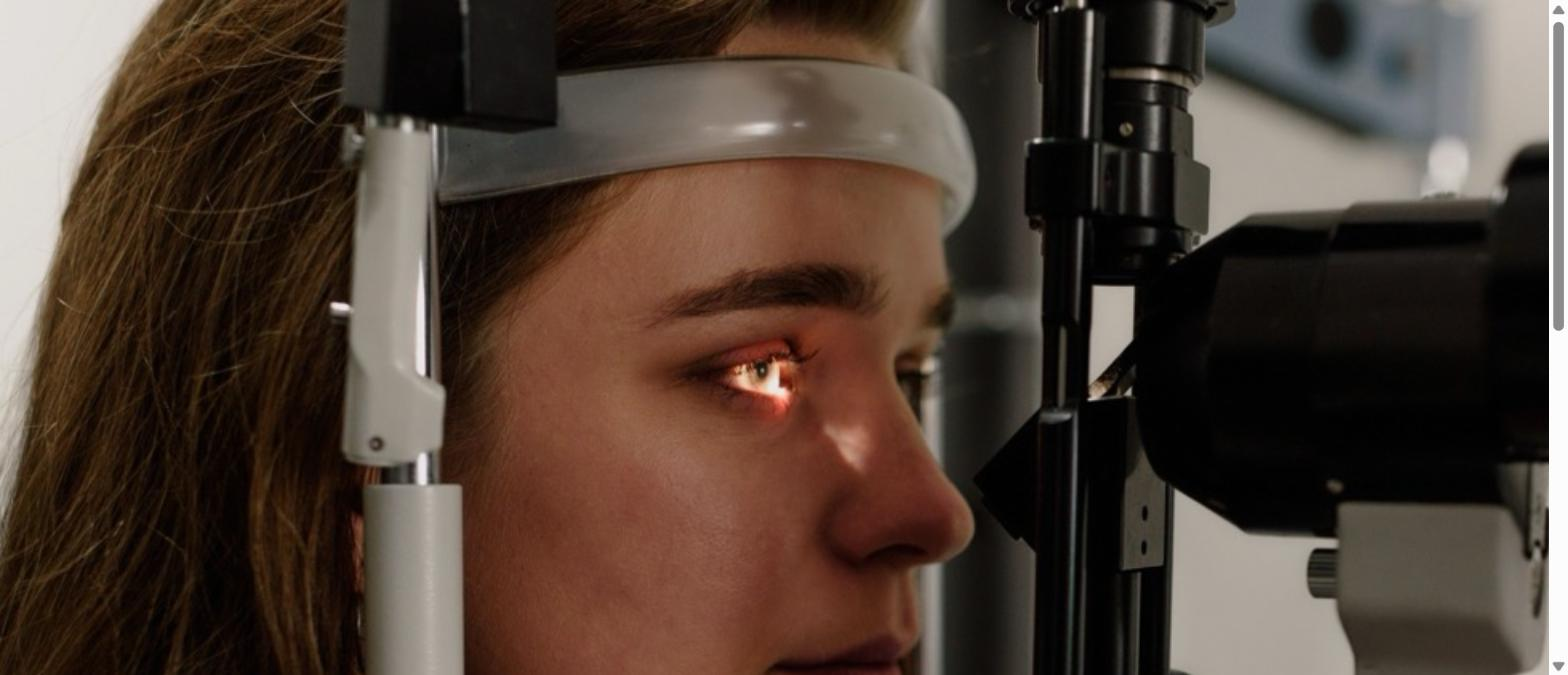
The Eye Exam That Does More Than Check Your Prescription
Did you know an eye exam could be the key to spotting a health issue elsewhere in your body? If you haven’t scheduled one in a while, you’re not the only one. Many people put off routine eye care because they assume it is only necessary if their vision seems blurry or they need new glasses or contacts. But a comprehensive eye exam is about far more than reading letters at a distance of twenty feet. It gives a doctor a direct look inside your body, and that view can offer valuable clues about your overall health, not just your eyesight.
Your Eyes Are a Window to Your Overall Health
According to clinical guidelines from the American Optometric Association (AOA), a comprehensive eye exam can help detect early signs of more than 270 systemic and chronic diseases, including:
• High blood pressure
• High cholesterol
• Diabetes
• Glaucoma and macular degeneration
• Select autoimmune conditions
The reason an eye exam can pick up on so much is that a doctor can directly view blood vessels and nerve tissue through your eyes without an x-ray, a CT scan, or any invasive procedure. Subtle changes in those blood vessels or in the optic nerve can be an early warning sign of a health issue developing elsewhere, which is part of why annual comprehensive eye exams are recommended for most adults, not just those who wear glasses or contacts.
Bridging the Gap: Health Insurance Alone May Not Cover You
Knowing the medical value of an exam is the first step, but it’s also important to understand how that care is financed. It is a common misconception that a major medical or health insurance plan automatically covers routine eye care. In practice, most health plans are built to cover care that is considered medically necessary, such as treating an eye injury, managing an eye disease, or diagnosing a specific symptom you report to a doctor. Routine, preventive vision care, like an annual comprehensive eye exam simply to check your eye health and update your prescription, along with the cost of glasses or contact lenses, typically falls outside what a standard health plan pays for.
That gap is exactly where a separate vision insurance plan or a vision rider added to an existing policy can help. Rather than paying the full cost of exams, frames, lenses, and contacts out of pocket, a vision benefit is designed specifically to offset those routine, recurring expenses that major medical coverage generally does not address.
What Vision Insurance Typically Includes
While benefits vary by carrier and plan, most vision insurance policies are built around a similar core structure. Typically, this includes coverage for an annual comprehensive eye exam, usually for a modest copay, along with an allowance or discount applied toward the cost of frames, prescription lenses, or contact lenses. Many plans also offer materials allowances that renew every year or two, discounts on additional pairs of glasses for backup or specialty use, and in some cases, reduced rates on elective procedures like LASIK. Because premiums for vision coverage tend to be low relative to the potential savings on exams and eyewear, it is often one of the more approachable supplemental benefits available.
How Vision Coverage Fits Your Broader Supplemental Strategy
Vision insurance is just one piece of a broader strategy aimed at reducing unexpected out-of-pocket costs and supporting whole-person health, rather than a standalone add-on. One of our licensed agents can walk you through the vision insurance plans and options available to you, help you understand what each plan covers, and help you decide which policy makes sense for your situation and budget.