Is Critical Illness Insurance Right for You?
A serious illness can turn your life upside down in more ways than one.
While your health insurance may help cover many of your medical expenses, it typically doesn’t replace your income, or cover the everyday bills that keep your household running. Think about your mortgage/rent, car payments, utilities, groceries, credit cards…. when you’re unable to work, those expenses don’t pause.
Even worse, stressing about these costs isn’t a good way to speed up your recovery.
So how do you bridge that financial gap?
A Financial Safety Net: Critical Illness Insurance
One option many people overlook is
critical illness insurance—a type of coverage designed to provide financial support when you are struggling with health issues.
If you’re diagnosed with a qualifying serious condition, a critical illness policy can provide a
lump-sum cash benefit that could make a meaningful difference while you are trying to recover.
Unlike some other types of coverage, this money is typically flexible. You can use it for whatever makes the most sense for your situation, such as:
- Household bills (mortgage, rent, utilities)
- Out-of-pocket medical costs like deductibles or copays
- Transportation or caregiving expenses
- Everyday living expenses while you recover
This flexibility can be especially helpful during a time when your focus should be on healing, rather than finances.
What Conditions Are Typically Covered?
Coverage varies by policy, but most plans focus on serious health events such as:
- Heart attack or stroke
- Cancer
- Organ damage
Some policies may also cover additional conditions, including:
- ALS (Lou Gehrig’s disease)
- Blindness or deafness
- Paralysis
- Severe burns
- Coma
- Lupus or cystic fibrosis
Because coverage can differ significantly, it’s important to review the details of any policy carefully.
How It Compares to Disability Insurance
You may be wondering how critical illness insurance compares to disability insurance.
Both can help protect your finances if your health prevents you from working—but they work differently:
- Disability insurance typically replaces a portion of your income over time if you’re unable to work.
- Critical illness insurance provides a lump-sum payment after a qualifying diagnosis.
Critical illness coverage is often more affordable, though it generally provides a smaller total benefit compared to long-term disability insurance.
For some individuals, the two types of coverage can complement each other.
What Does It Cost?
One of the reasons critical illness insurance is gaining attention is affordability.
While premiums vary based on age, health, and coverage amount, many plans are relatively budget-friendly. For example, some plans cost as little as
$10/month for $10,000 in coverage, and
$20–$50/month for $50,000 in coverage.
These benefits can make a meaningful difference, especially for those with high-deductible health plans or limited emergency savings.
Important Things to Consider
Before choosing a policy, keep a few key points in mind:
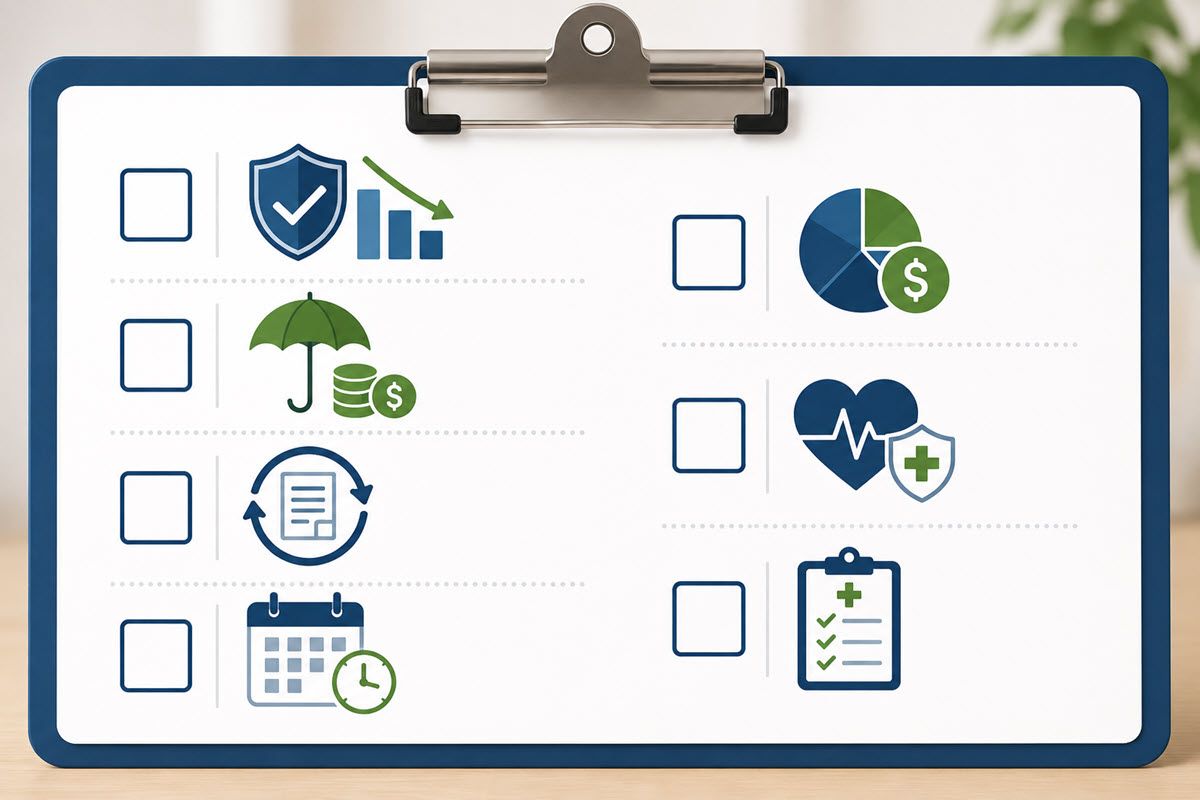
1. Covered Conditions Vary
Some policies only cover cancer, while others include a broader range of illnesses.
2. Waiting Periods May Apply
Most policies have a waiting period (often 30–90 days) before benefits are payable.
3. Pre-Existing Conditions May Not Be Covered
If you’ve already been diagnosed with a condition, it typically won’t qualify for immediate coverage.
4. Coverage Limits Exist
Many policies cap benefits (often around $50,000, though higher limits may be available).
Is It Right for You?
Critical illness insurance isn’t one-size-fits-all, but it can be a valuable addition to your financial protection strategy. It may be worth considering if covering expenses during time off work would be challenging or if you want added financial flexibility during recovery.